


Climbing Bolts
Equipment & Gear

At Mexico Climbing, we believe that growing the sport isn’t just about climbing harder — it’s about exploring, opening new routes, and doing it right. Our goal is simple: find the best anchor manufacturers in Mexico and give them a platform to offer their products to the climbing community.
Through this initiative, anyone can directly contribute to the growth of the sport. Every purchase helps create and maintain routes, keeping them safe and accessible. Behind every climb, there’s time, effort, and money from local route developers that often goes unnoticed. This is a way to support that work and give something back to the mountains.


We are not manufacturers. We are a platform designed to bring together the best anchor producers in Mexico, offering their high-quality products in one place and making it easier for route developers across the country to access them. Our goal is to support local industry while simplifying the process of equipping and maintaining routes. If you’d like to include your products on this platform, reach out to us at elsaltoclimbing@gmail.com.
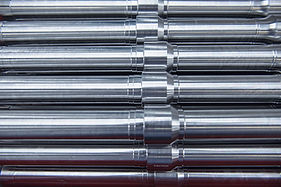
Stainless steel 304
Is one of the most commonly used materials in bolting due to its good corrosion resistance and durability in outdoor conditions. It performs especially well in dry or low-humidity environments, like many climbing areas in Mexico.
However, it is not the best option for highly corrosive environments such as coastal areas or places with constant moisture, where stainless steel 316 is recommended. Choosing the right material not only improves the lifespan of the anchor, but is also critical for long-term safety.


How to choose bolts depending on the rock.
Rocks aren’t formally classified by hardness but by origin: igneous, sedimentary, and metamorphic. While igneous rocks are generally the hardest and most reliable, hardness alone doesn’t determine safety for bolting. What really matters is cohesion, internal structure, and rock quality—since a wall can look solid but be weak inside. In practice, granite and compact limestone are usually safe, while softer or layered rocks like sandstone or schist require much more caution.
Otros proveedores en México

